
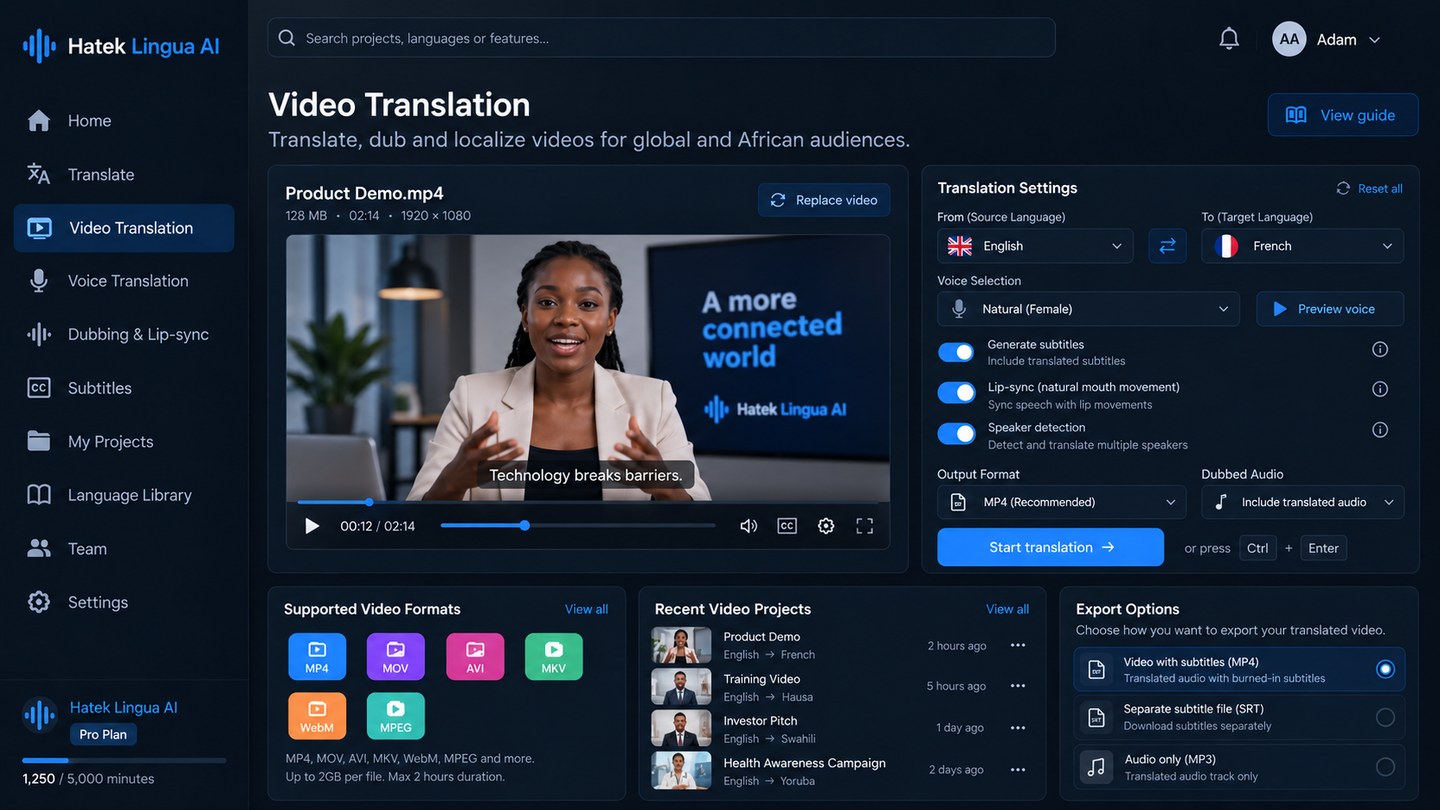
Video translation
Translate, dub and localise video from one workspace.
Source media, language selection, voice settings, subtitles, lip synchronisation and export controls are brought together in a single workflow.
Hatek Lingua AI turns one source video into multilingual versions by translating spoken content, generating target-language speech and synchronising visible mouth movement with the translated audio.
The platform combines video translation, generated speech, lip synchronisation, subtitles and project management in one workflow. Its language programme spans 100+ languages, including 50+ African languages, across translation, speech, subtitles and video localisation workflows.
Hatek Lingua AI brings translation, voice, video localisation, subtitles and project management into one connected workspace.
The product workspace brings translation, voice, video localisation, subtitles and project management together so teams can manage multilingual content from one place.
Source media, language selection, voice settings, subtitles, lip synchronisation and export controls are brought together in a single workflow.
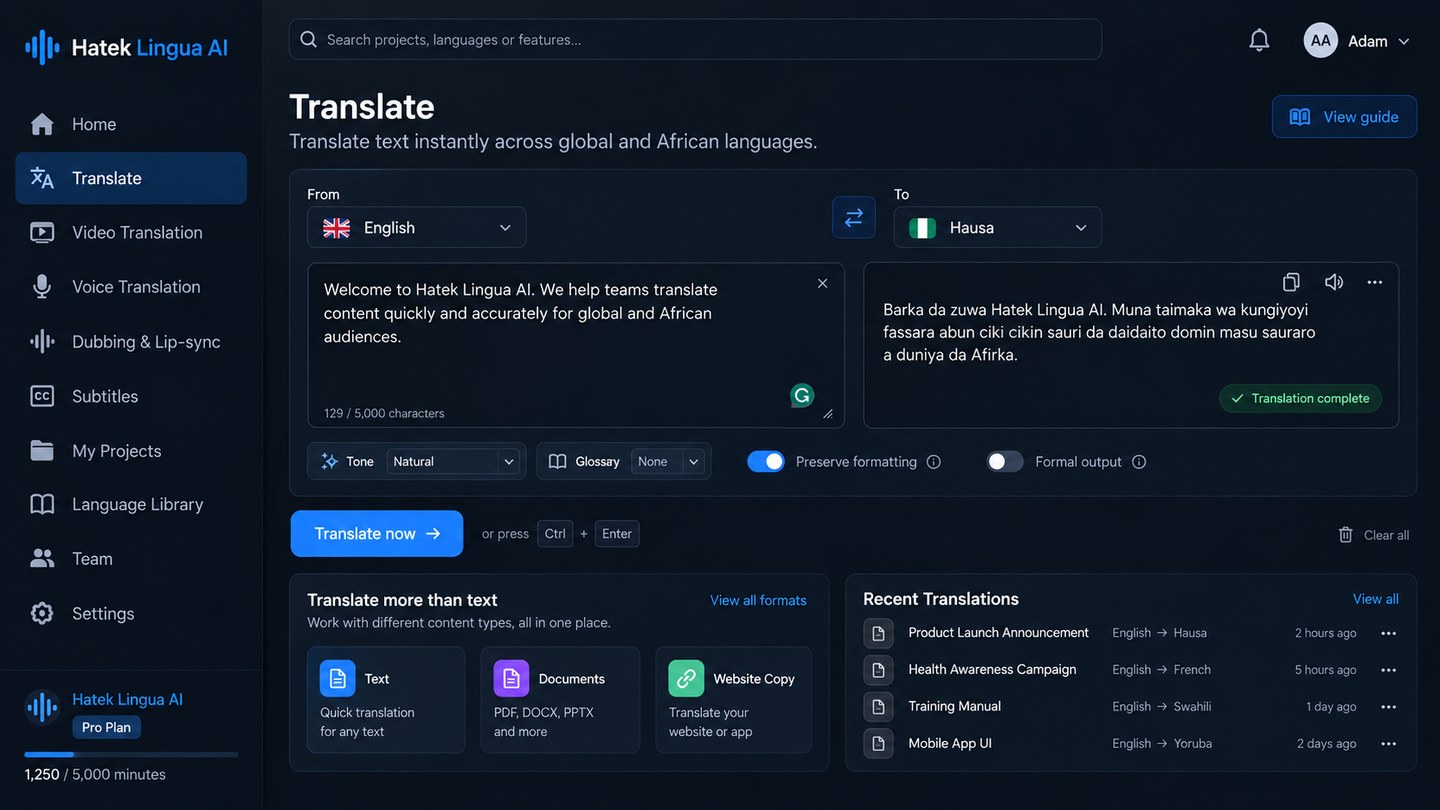
Language selection, tone, terminology and formatting controls support fast translation across different content types.
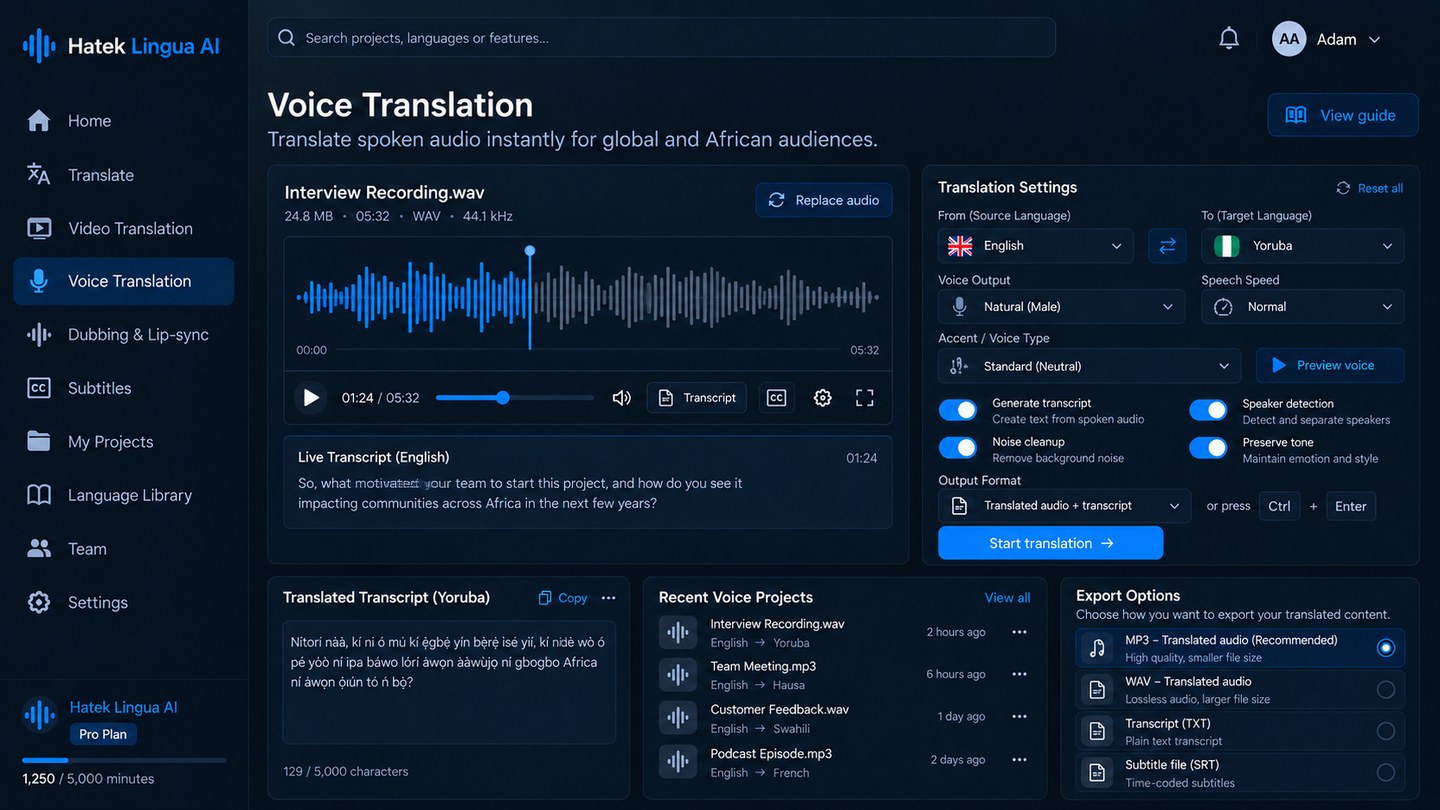
Audio, transcripts, speaker handling, voice settings and export options are managed in one place.
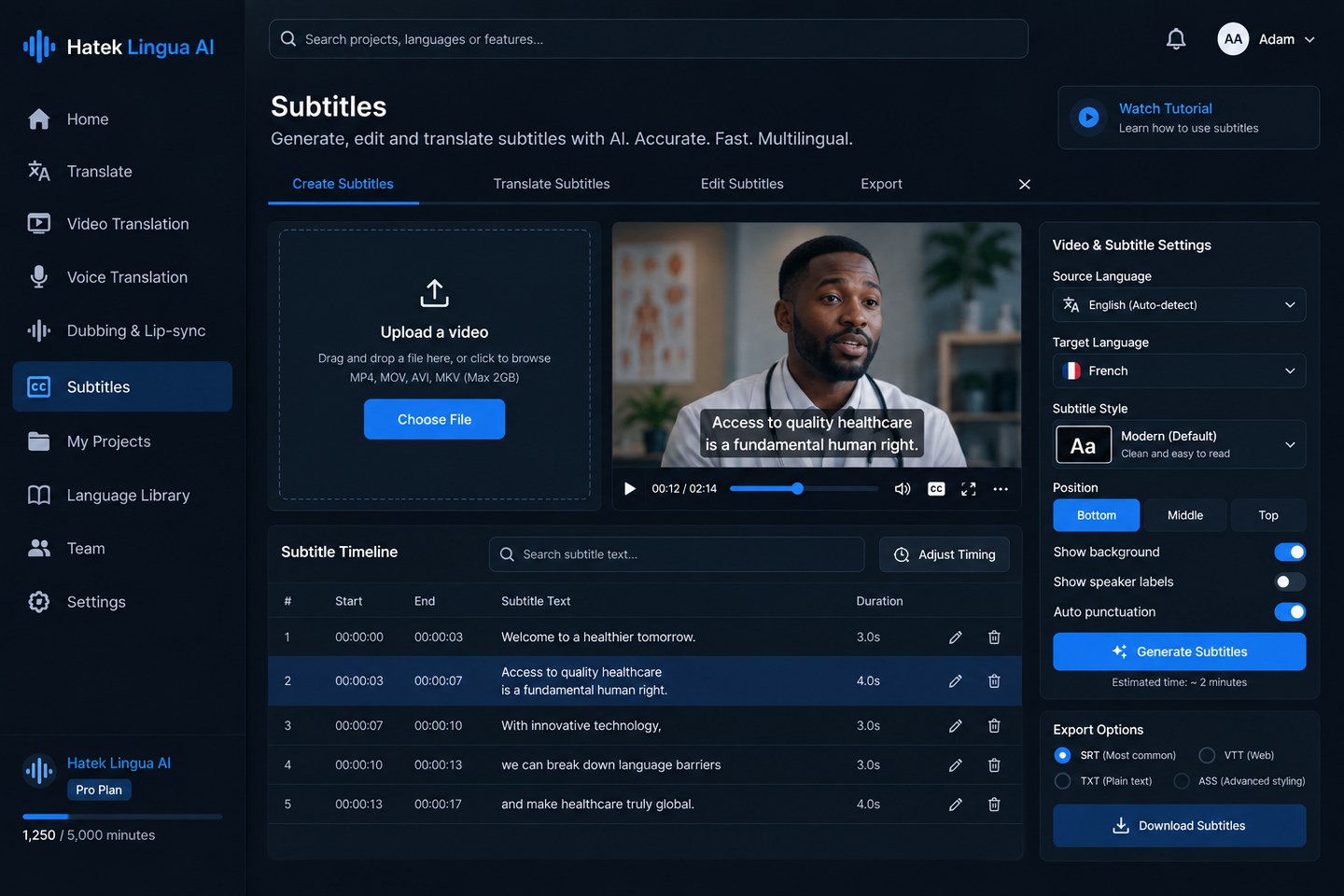
Subtitle timing, language, styling and export controls are designed around video localisation workflows.
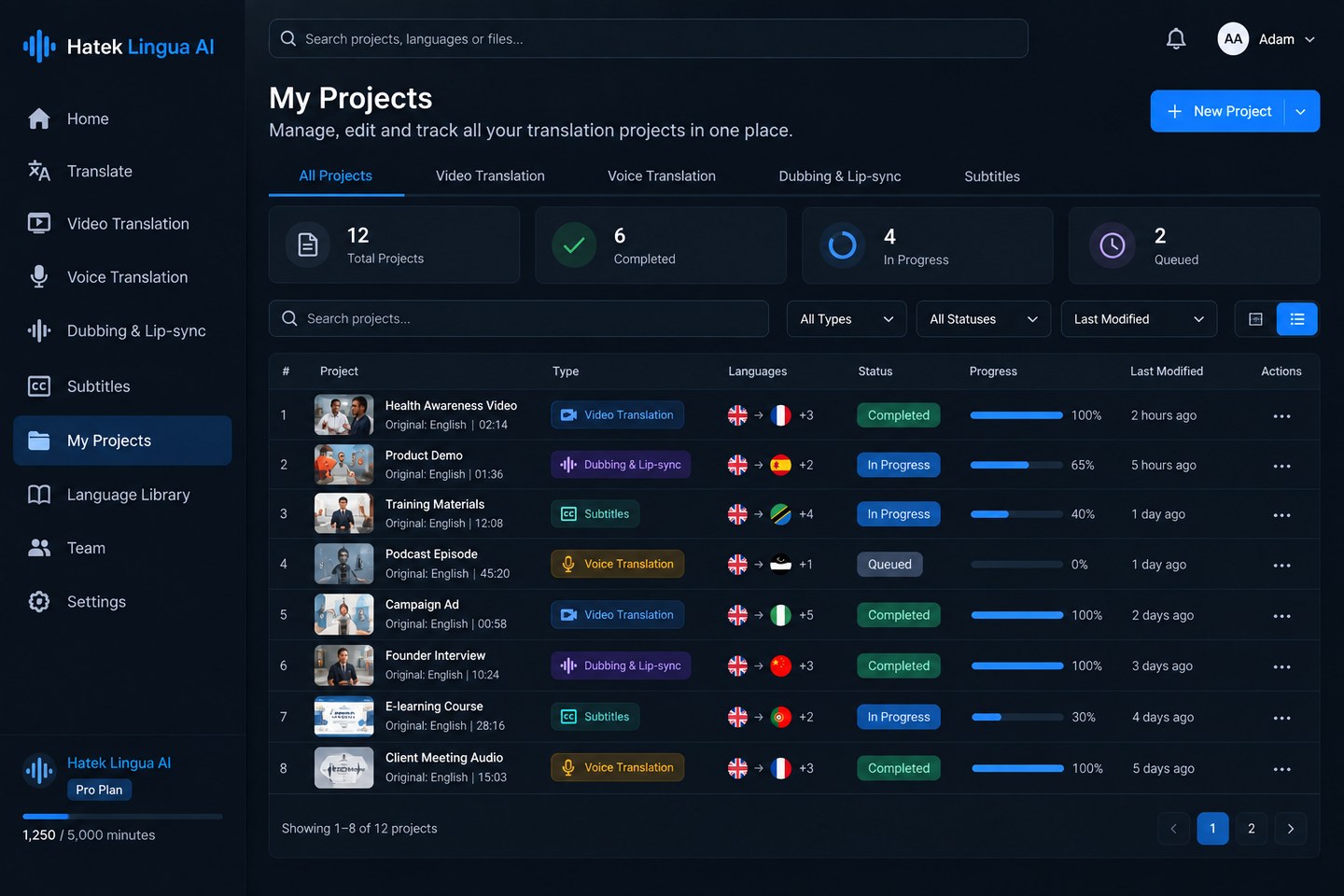
Projects, processing status, language combinations and recent activity can be tracked from a shared workspace.
Creating one video in several languages traditionally involves translation, voice recording, audio editing, video editing and quality review for each language.
Hatek Lingua AI brings those stages into one software workflow. A user uploads a source video, selects an available target language, generates translated speech, reviews the audiovisual output and exports the localised version.
Each stage solves a different part of the localisation problem. The quality of the final result depends on the stages working together.
Detect what is being said, who is speaking and when each segment occurs.
Translate the meaning of the spoken content into the selected target language.
Generate intelligible target-language speech with appropriate pronunciation and timing.
Adjust the speaker's visible mouth movement so it follows the translated audio.
Check translation accuracy, pronunciation, timing, visual consistency and known failure cases.
The Hatek Lingua AI language programme spans 100+ languages overall, including 50+ African languages.
Language quality is handled across speech recognition, translation, pronunciation, timing, accents, dialects and native-speaker review so multilingual output remains useful in real video workflows.
See the language programmeThe product serves professional localisation teams, media organisations, educators, creators and businesses that produce multilingual video at different scales.
Translate interviews, documentaries, programmes and digital video for additional audiences.
Make lectures, courses and training videos understandable to learners in different languages.
Publish localised versions of creator videos through one translation, dubbing and export workflow.
Localise employee training, product education and internal communication.
Create additional language versions of news, interviews and regional programming.
Translate health, civic, safety and community information for multilingual audiences.
The product combines language quality, audiovisual processing, workflow management and review controls in a single localisation environment.
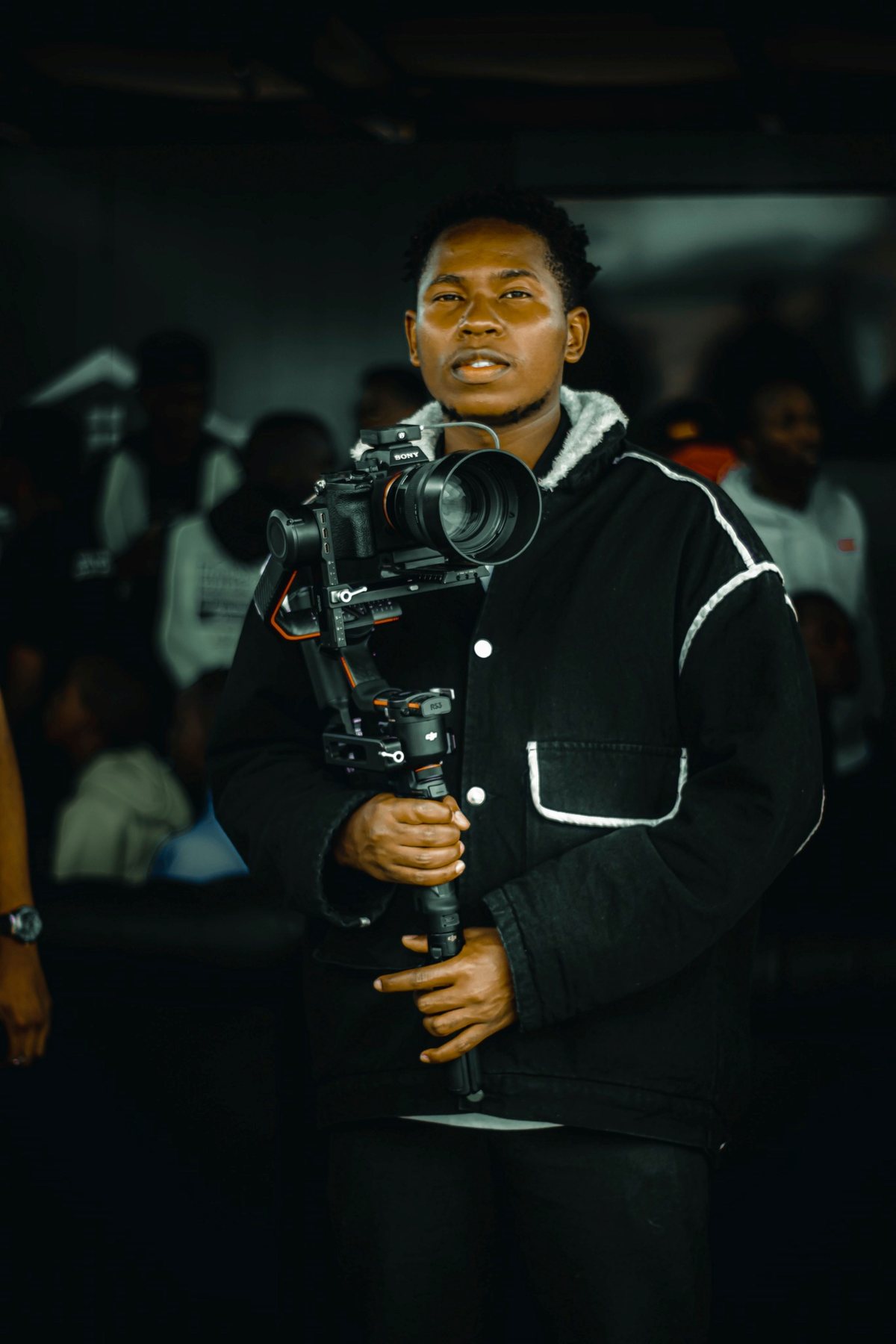
The system is designed for real speakers, varied camera angles, different audio conditions, natural pacing and everyday production environments.

Native-speaker review complements automated quality checks for meaning, pronunciation and naturalness.
Hatek Lingua AI combines translation, speech generation, lip synchronisation, subtitles and project management in a unified product used through managed access.
We work with language experts, media organisations, educators, enterprise teams, infrastructure partners and investors interested in multilingual video and African-language technology.